Lake Takepo, Mount Cook, glaciers, kiwis and more
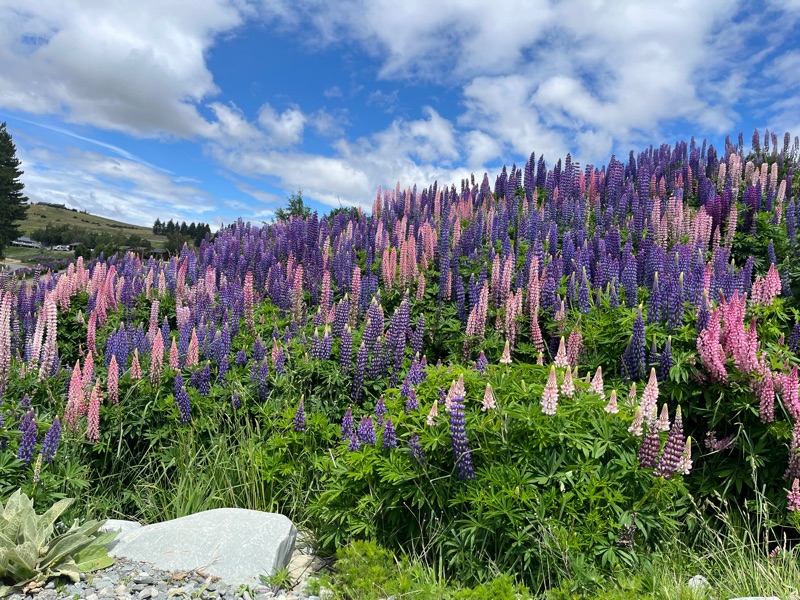
We spent three nights on the shores of Lake Takepo, an incredible turquoise lake surrounded by snow-capped mountains and lupins.
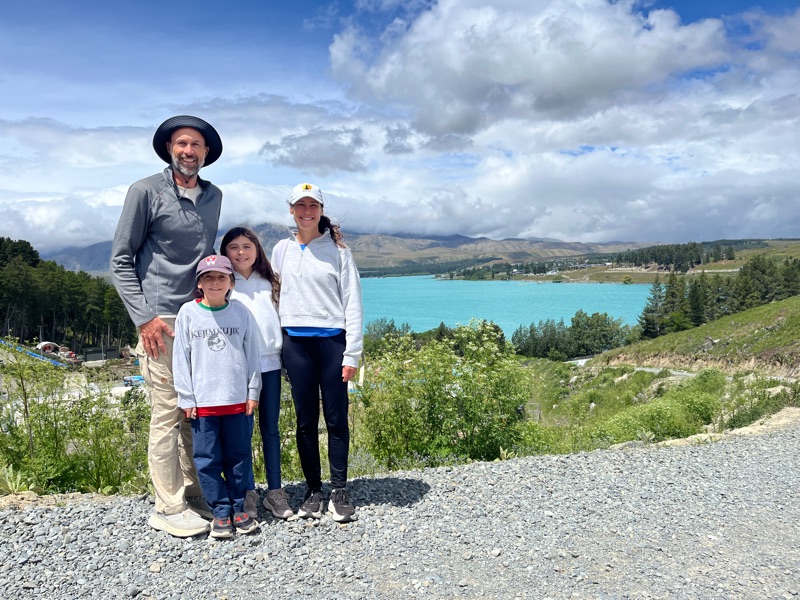
We hiked to the top of Mount John, from where we had a great view of the lake and town below.
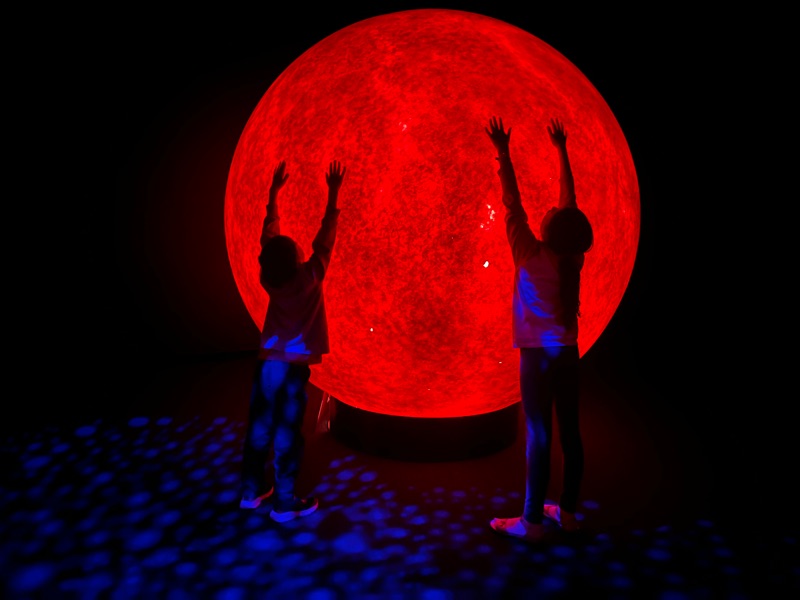
We visited a night sky museum and learned about the sun and the stars in the Southern Hemisphere and their connection to the Māori culture. Later that night, we were able to see the stars we had learned about. Here, Orion’s Belt is upside down, and there is a way to follow the stars to the South Pole rather than the North Pole. Here are the kids with the replica sun.
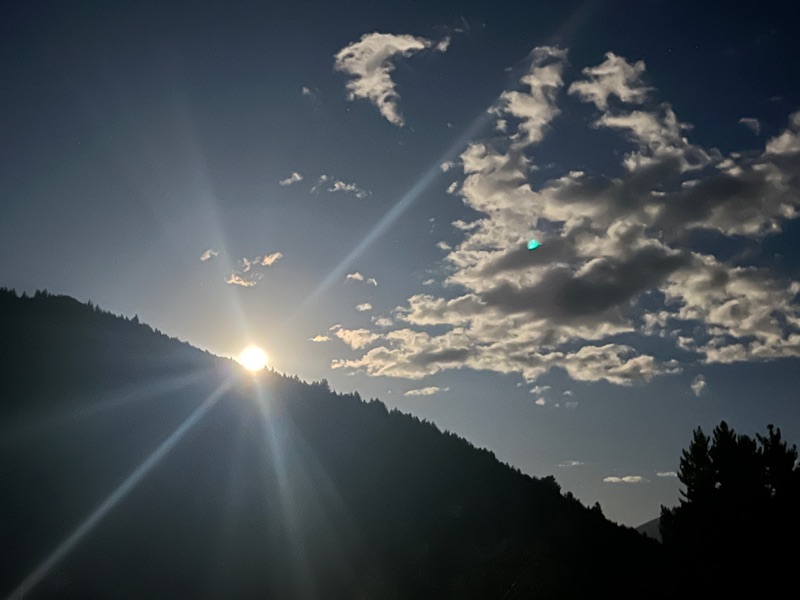
This is the full moon rising over the mountains. It’s so bright it looks light out, but it’s actually dark at 10pm.
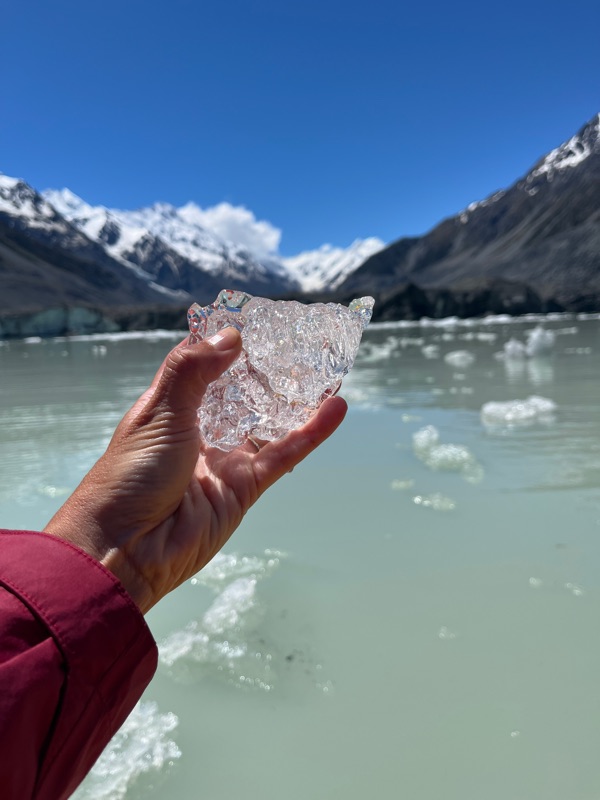
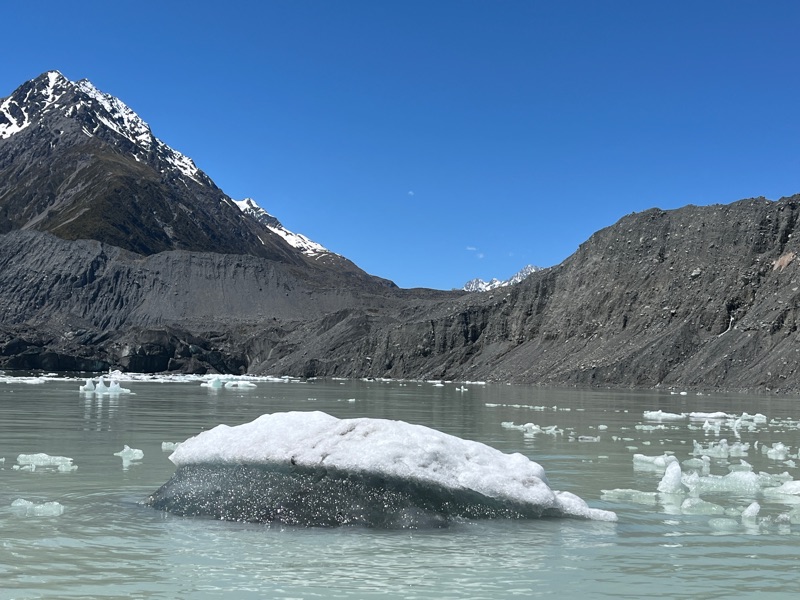
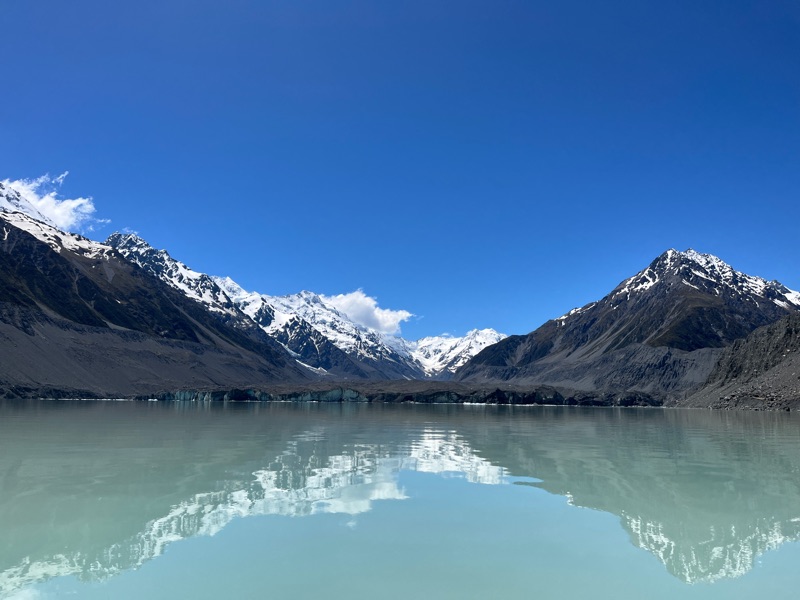
We took a day trip to the base of Mount Cook and Lake Tasman where we saw icebergs floating on the lake from the melting glacier.
We’ve settled into living out of our RV and find it so convenient to have a house on wheels everywhere we go. We love being able to pull over to the side of the road while we’re on the road to make lunch. Driving is all part of the fun here, and it’s amazing to watch the scenery go by and see the landscape change.
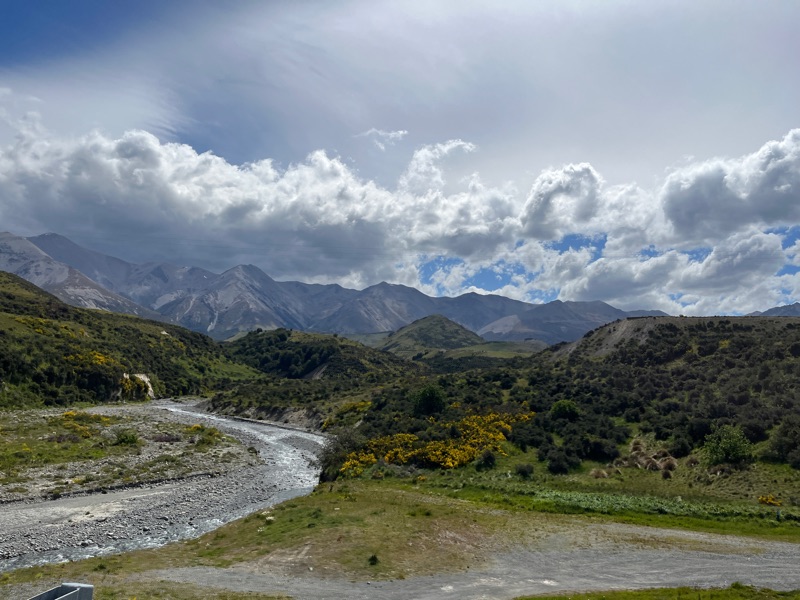
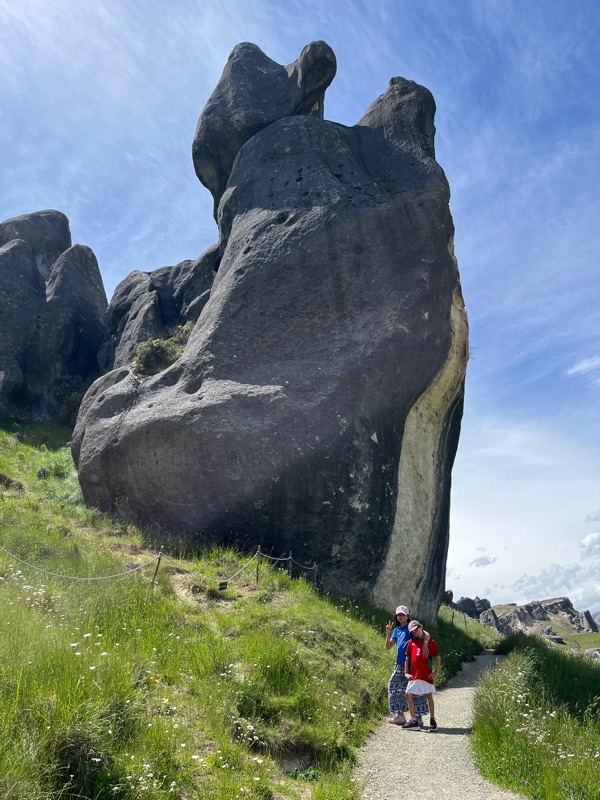
Sometimes while we’re on the road we do a short hike to stretch our legs.
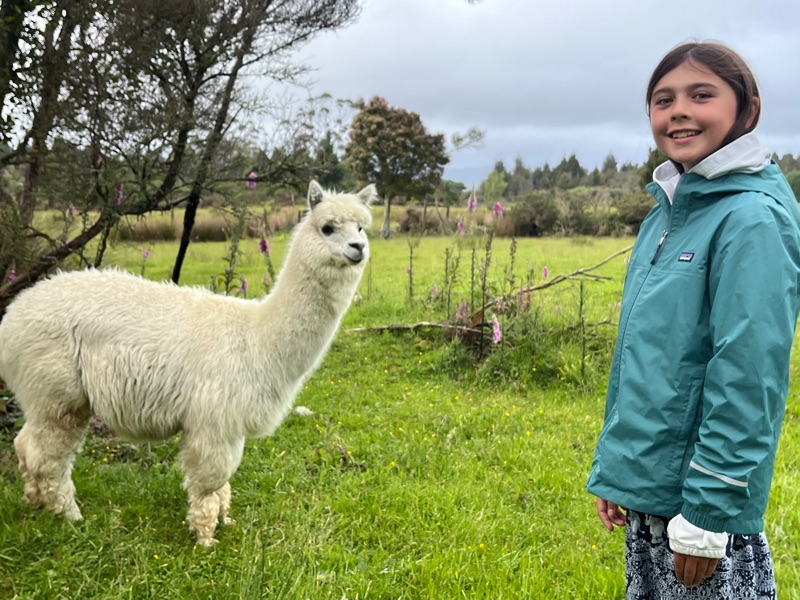
After Lake Takepo, we drove across the South Island for about 6 hours to Hokitika, where we stayed on a farm. The great thing about the RV we rented is that it runs entirely on solar panels and regenerates as we drive, so no need to plug it in. This way we have some flexibility regarding our campsites and can stay at places like farms without hookups.
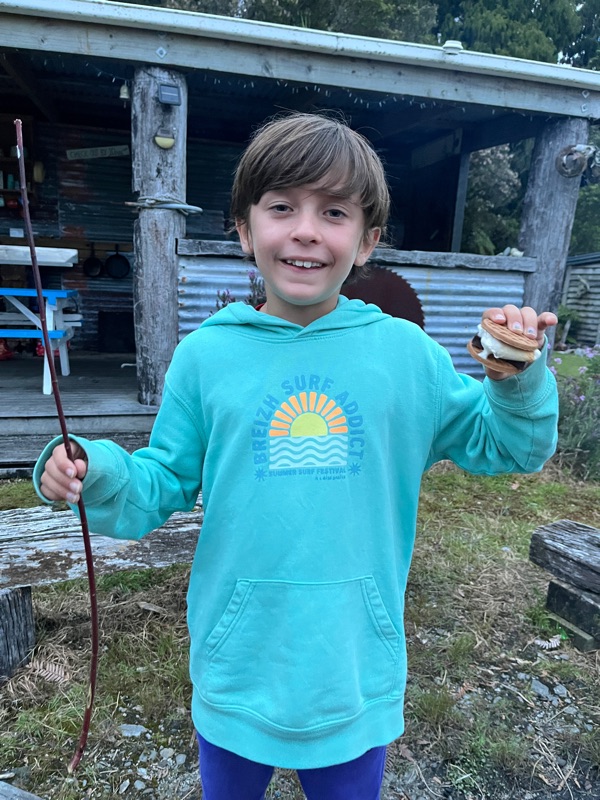
This was also the first place that allowed campfires, so we had makeshift s’mores. We couldn’t find quite the same ingredients as back home, so we improvised. The result was pretty tasty.
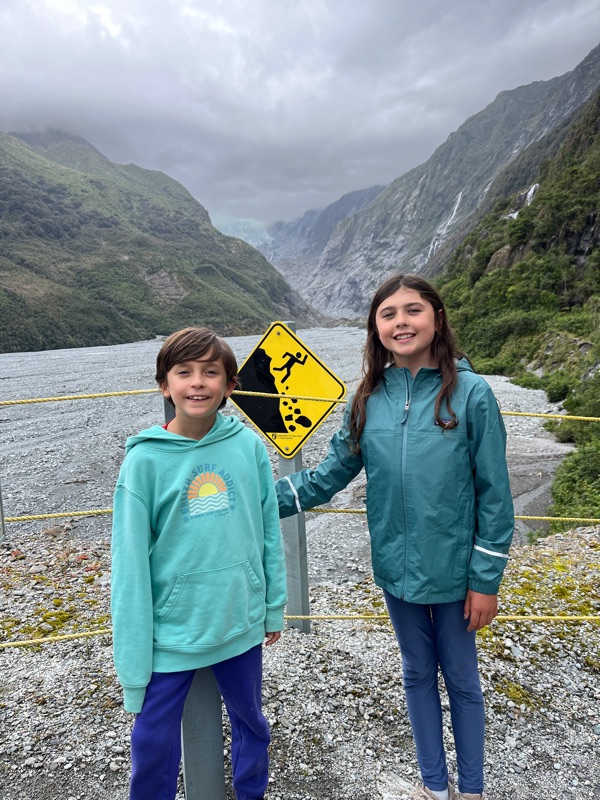
We then drove another two hours along the coast to Franz Joseph National Park, where we could see the same glacier and mountain range of Mount Cook, but from the other side. The clouds were quite low so we couldn’t see the peaks. In fact, the climate on this side was so different; more like a lush rainforest.
Sadly the glacier is retreating and barely visible.
While we were in Franz Joseph, we went to a wildlife centre to learn more about some of the local wildlife, like kiwi birds and tuataras. Kiwis are endangered and a lot of work goes into keeping them safe and increasing their population. The kids saw a baby that had hatched recently and will eventually be released back into the wild. Tuataras are a kind of prehistoric lizard that have been around since the age of the dinosaurs.
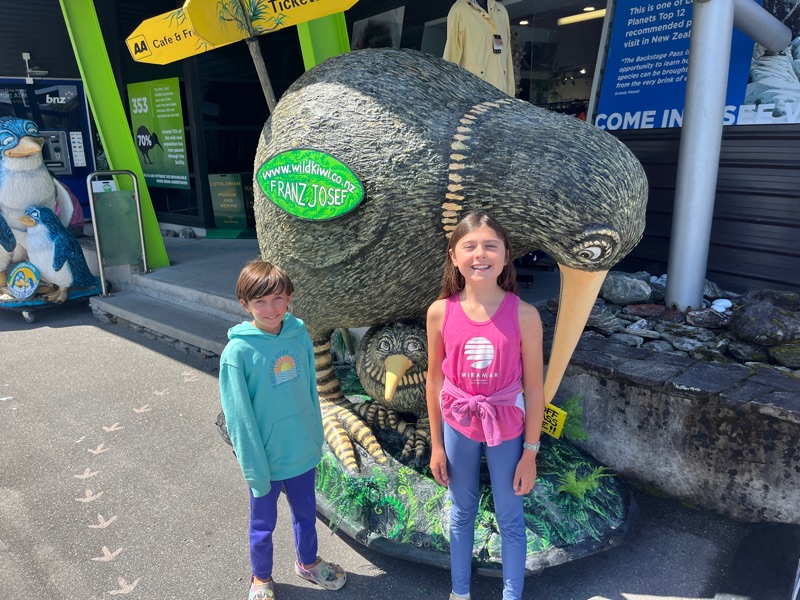
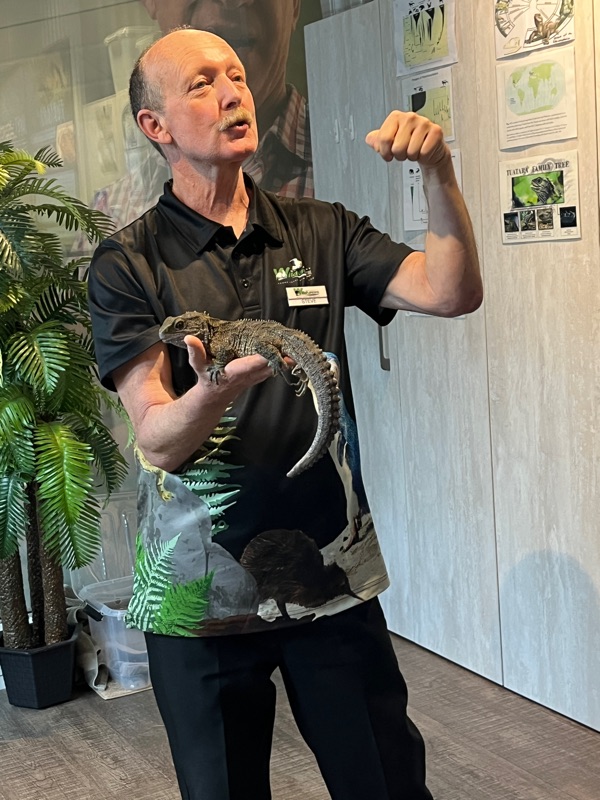
Until the Europeans arrived, there were no land mamals in New Zealand, so many of the birds, like the kiwis, don’t actually fly. Now, due to rats, possums and other predators, their population is threatened. The government is working hard to reduce the number of these predators to preserve the bird population because so many have been wiped out already. We’ve seen a lot of traps on our hikes.
The weather has been quite cool the last few days, but it’s warming up as we head north again. We’re down to our final countdown with less than two weeks left in our travels!!!!


I didn't know that there were no land mammals before the Europeans arrived!
ReplyDelete